


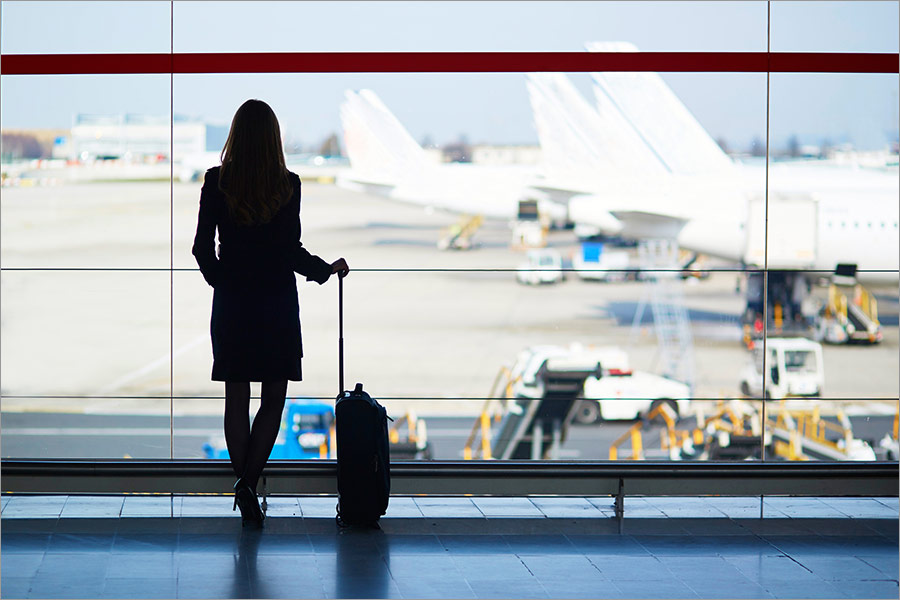
Business Travel Success: How to Reduce Stress, Be More Productive and Travel with Confidence
This is the name of a book written by Carol Mangolis, a woman that flies to work. The book was published in 2012 and people…
Travel planning is the foundation of a confident and enjoyable solo journey. Thoughtful preparation reduces stress, increases safety, and allows women to focus on experiencing the world rather than solving problems on the go. The Travel Planning category exists to guide solo female travelers through every stage of preparation with clarity, confidence, and flexibility.
This section transforms planning from an overwhelming task into an empowering process, helping women feel prepared, informed, and in control before they ever leave home.
Travel planning is not about perfection. It is about making informed choices that align with personal goals, comfort levels, and travel styles. This category encourages women to plan intentionally while remaining open to spontaneity.
Guides help travelers define priorities, set realistic expectations, and organize essential details without overplanning or rigidity.
Well-designed itineraries balance structure and freedom. This section explores how to create flexible travel plans that allow for rest, discovery, and adaptation.
Topics include trip length planning, pacing, seasonal considerations, and how to build itineraries that feel supportive rather than exhausting. Special attention is given to solo travel rhythms and energy management.
Making smart booking decisions is central to successful travel planning. This category covers how to research and book flights, trains, buses, and accommodations with safety, comfort, and budget in mind.
Guides focus on comparing options, understanding cancellation policies, choosing reliable providers, and avoiding common booking mistakes. Women learn how to evaluate accommodations beyond price alone, considering location, reviews, and safety factors.
Packing can shape the entire travel experience. This section explores how to pack efficiently, safely, and intentionally for solo trips.
Guides include destination-specific packing lists, safety-focused packing tips, and advice on minimizing luggage while maximizing preparedness. Packing is framed as a strategic tool rather than a stressful task.
Administrative details are often overlooked until the last minute. This category addresses essential logistics such as passports, visas, travel insurance, and documentation management.
By understanding requirements in advance, travelers can avoid unnecessary stress and travel disruptions. Clear explanations help women navigate complex systems with confidence.
Financial planning is a key part of travel preparation. This section connects planning with budgeting, helping women estimate costs, allocate funds, and prepare for unexpected expenses.
Rather than focusing on restriction, budgeting is presented as a way to increase freedom and peace of mind during travel.
No trip goes exactly as planned. This category emphasizes adaptability and preparedness, offering guidance on handling delays, cancellations, and changes.
By planning for flexibility, women gain resilience and confidence in their ability to navigate challenges independently.
Thoughtful planning supports mental and emotional well-being. When women feel prepared, they travel with greater calm and confidence.
This category treats planning not as a burden, but as an act of self-respect and empowerment.
When should I start planning a solo trip?
Planning timelines vary, but starting early allows for better choices and reduced stress.
How detailed should my itinerary be?
Itineraries should provide structure without limiting flexibility.
What are the most important things to book in advance?
Transportation, accommodations, and essential documents should be prioritized.
How do I avoid overplanning?
Focus on priorities and leave room for spontaneity.
Is travel insurance part of planning?
Yes. Travel insurance is an important planning component for solo travelers.
How do I plan for different cultures and languages?
Research and preparation help reduce misunderstandings and build confidence.
Can planning reduce travel anxiety?
Yes. Clear preparation often increases confidence and reduces uncertainty.
7 articles
Business Travel Success: How to Reduce Stress, Be More Productive and Travel with Confidence
This is the name of a book written by Carol Mangolis, a woman that flies to work. The book was published in 2012 and people…

Planning a Surprise Party for Someone You Love
If you are lucky enough to have great people in your life with whom you can celebrate many of your happiest moments, then perhaps it…