Adapting quickly to a new country in 48 hours
14 seconds ago · Updated 7 seconds ago

Table
- Step 1: Prepare before you land
- Step 2: Establish your routine immediately
- Step 3: Navigate your surroundings efficiently
- Step 4: Immerse yourself culturally
- Step 5: Manage your mental and emotional state
- Step 6: Create a mini support network
- Step 7: Stay flexible and observe
- Extra tips for solo women travelers
- Final thoughts: feeling at home in 48 hours
Arriving and adapting quickly a new country can be exhilarating—but it can also be overwhelming. Different languages, cultural norms, transportation systems, and routines can create a sense of disorientation for even the most experienced travelers. Learning how to adapt quickly is not just a skill—it’s a survival strategy for maintaining productivity, safety, and well-being.
In this guide, we’ll cover actionable strategies that help solo women travelers—and any newcomer—feel grounded within the first 48 hours of arrival, while building a strong foundation for longer-term adaptation.
Step 1: Prepare before you land
The process of adapting quickly starts before your plane touches down. Preparation reduces stress and gives you confidence when navigating an unfamiliar environment.
Research local customs and norms
Spend time understanding cultural practices, greetings, tipping habits, and business etiquette. This knowledge helps avoid awkward interactions and shows respect to locals.
Plan your first 24 hours strategically
- Know how to get from the airport to your accommodation.
- Have local currency on hand.
- Identify nearby essentials: grocery stores, pharmacies, and ATMs.
Planning ahead mirrors the approach in How to Create Support Networks, where intentional preparation reduces friction and stress.

Step 2: Establish your routine immediately
Humans adapt best when routines are reestablished quickly. Even small rituals can anchor you in a new environment.
- Set wake-up and sleep times similar to home.
- Identify your local coffee shops or favorite work spots.
- Plan meals at consistent times.
Building a micro-routine supports mental clarity and mirrors strategies, where balance and structure are emphasized for travelers.
Use public transport and mapping apps
Familiarize yourself with buses, trains, and rideshare apps. Walking the streets the first day helps you internalize landmarks, reducing dependence on navigation apps over time.
Stay alert but approachable
Being cautious doesn’t mean isolating yourself. Approach locals for advice and directions—they often provide shortcuts and safety tips you won’t find online.
Document essential information
- Keep digital copies of your passport, visa, and travel insurance.
- Save emergency contacts, including your country’s embassy.
- Record addresses in local language if needed.
This step complements the travel confidence principles in Solo Female Travelers, where safety and self-sufficiency go hand in hand.
Step 4: Immerse yourself culturally
True adaptation goes beyond logistics. Rapid cultural integration makes your stay more meaningful and reduces the psychological stress of being “foreign.”
- Try local foods—explore markets or street vendors.
- Attend cultural events, music performances, or workshops.
- Learn a few key phrases in the local language; even basic greetings create rapport.
Immersion also encourages social connection, which is critical for both emotional and practical adaptation. The importance of connecting with people is echoed in Stories of Women Travel, where community builds resilience.
Step 5: Manage your mental and emotional state
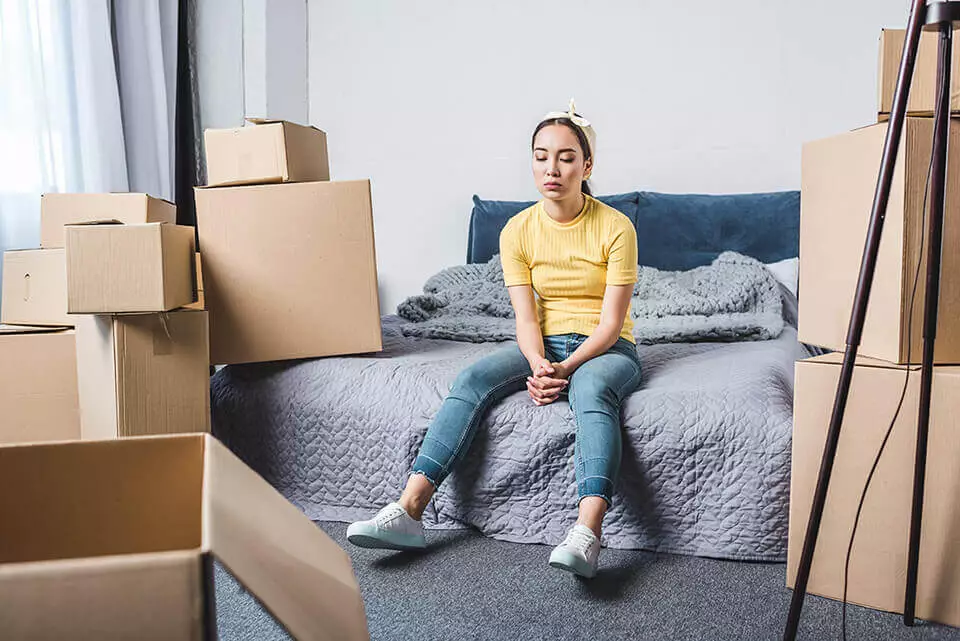
Adapting quickly is as much about mindset as logistics. Culture shock, jet lag, and sensory overload can hinder adjustment.
Techniques for fast mental adaptation:
- Mindful breathing or meditation to reduce stress
- Journaling your first impressions and challenges
- Setting small, achievable goals for each day
Maintaining mental clarity supports productivity, especially if you are combining travel with remote work, as explored in Smart Travel Tips That Will Save You Money and Time.
Step 6: Create a mini support network
Even temporary connections can make a huge difference in adapting quickly. Reach out to:
- Other travelers or expats in your area
- Local community centers, meetups, or co-working spaces
- Trusted online forums for women travelers
These connections provide both practical advice and emotional support during the initial 48 hours.
Step 7: Stay flexible and observe
Adaptation is iterative. Expect surprises, delays, or misunderstandings. The ability to adjust your plans and observe without judgment accelerates integration.
Keep a curious mindset, ask questions, and take notes on what works.
Extra tips for solo women travelers
- Share your itinerary with a trusted friend or family member
- Use apps for safe navigation and local alerts
- Trust your instincts—avoid areas that feel unsafe
Being proactive reduces anxiety and empowers women to focus on exploration rather than caution alone.
Final thoughts: feeling at home in 48 hours
While full adaptation takes time, the first 48 hours are crucial. With intentional preparation, routine building, cultural immersion, and mindful observation, you can go from feeling disoriented to confident quickly.
Learning to adapt quickly is a skill that will serve you for every new city or country you visit. The strategies in this guide ensure you start your journey grounded, empowered, and ready for adventure.
Smart clothing for travelers: what's worth it and what's not

Packing Smart: Minimalist Travel Wardrobe & Essentials for Women

How to Organize a Solo Trip on a 5 Steps an a Good Budget

Traveling Gluten Free: A Practical Guide to 1 a 5, Delicious Adventures

Working out in a hotel room?

Smart Women Travel Safe!
Leave a Reply