
Smart clothing for travelers: what's worth it and what's not
18 seconds ago · Updated 9 seconds ago

Table
Travel clothing has evolved far beyond basic comfort and practicality. Today, brands promise garments that regulate temperature, resist odors, adapt to multiple climates, and even protect your personal data. But as the market for smart clothing grows, so does the confusion: what actually adds value to your travel experience—and what is just clever marketing?
For women travelers, especially those who prioritize efficiency, safety, and versatility, choosing the right clothing can make a significant difference. This guide breaks down what smart clothing is truly worth investing in, what you can skip, and how to build a travel wardrobe that supports both comfort and confidence.
What is smart clothing for travelers?
Smart clothing refers to garments designed with advanced materials, construction, or technology to enhance functionality. Unlike traditional fashion, these pieces are built to perform under travel conditions.
Common features include:
- Moisture-wicking and quick-drying fabrics
- Odor-resistant materials
- Temperature regulation
- Wrinkle resistance
- Hidden or anti-theft pockets
Some products also include digital elements, but not all “smart” features are equally useful for travelers.

Smart clothing that is worth it
Merino wool basics
Merino wool has become a cornerstone of functional travel wardrobes—and for good reason.
- Naturally odor-resistant
- Breathable in warm climates
- Insulating in cooler weather
- Comfortable for long wear
For minimalist packers, merino tops and dresses reduce the need for frequent washing, making them ideal for carry-on travel. This approach aligns perfectly with the philosophy outlined in Packing Smart: Minimalist Travel.
Wrinkle-resistant travel pants
Well-designed travel pants offer stretch, durability, and a polished look without sacrificing comfort.
The best options:
- Transition easily from flights to meetings or dinners
- Maintain shape after long periods of sitting
- Dry quickly after washing
These are especially valuable for women combining leisure with professional trips, as discussed in
Business Travel Success.
Anti-theft travel jackets
Jackets with hidden pockets, RFID-blocking compartments, and slash-resistant materials provide real peace of mind.
Unlike novelty tech features, these elements directly support safer travel practices. They complement the mindset promoted where prevention and preparation are key.
Versatile layering pieces
Cardigans, lightweight jackets, and travel dresses designed for layering allow you to adapt to different climates without overpacking.
The smartest pieces:
- Work across multiple outfits
- Suit casual and semi-formal settings
- Pack down small
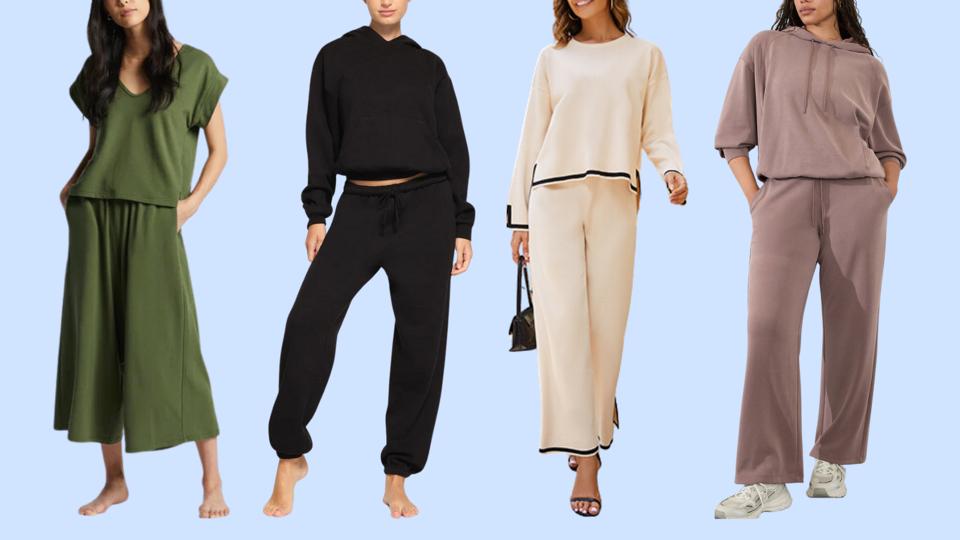
Smart clothing that may not be worth it
Heavily tech-integrated garments
Clothing with built-in electronics—such as charging panels, sensors, or app connectivity—often introduces more problems than benefits.
Common drawbacks include:
- Difficult washing and care
- Limited durability
- High cost with minimal real-world use
For most travelers, separate tech tools are more reliable than embedded solutions.
Overly specialized items
Garments designed for one specific scenario rarely earn their space in a suitcase.
If an item can’t be worn in at least three different contexts, it’s usually not worth packing. This principle supports smarter decision-making, as encouraged.
Fashion-first “smart” claims
Some brands label basic stretch or stain resistance as “smart” without offering meaningful performance benefits.
When evaluating smart clothing, look for transparency about materials and testing—not just buzzwords.
How to evaluate smart clothing before you buy
To avoid disappointment, ask yourself these questions:
- Does this item solve a real travel problem?
- Can it be worn in multiple climates or settings?
- Is care and maintenance realistic on the road?
- Does the price reflect genuine added value?
Smart travel wardrobes prioritize function over novelty.
Sustainability and ethical considerations
Many high-quality smart garments are also designed with sustainability in mind, using durable fabrics that reduce overconsumption.
According to the
Textile Exchange, investing in longer-lasting apparel significantly lowers environmental impact—making thoughtful purchases better for both travelers and the planet.
Building a smart travel wardrobe over time
You don’t need to overhaul your closet all at once. Start with foundational pieces:
- One merino top or dress
- A versatile pair of travel pants
- A functional outer layer
As you travel more, you’ll naturally refine what works best for your lifestyle and destinations.
Smart clothing is about intention, not hype
True smart clothing for travelers isn’t defined by technology—it’s defined by usefulness. The best pieces quietly support your journey, adapt to changing conditions, and simplify decisions on the road.
By focusing on quality, versatility, and real-world performance, you create a wardrobe that works with you, not against you.
Smart travel begins with intentional choices—and what you wear is no exception.
Packing Smart: Minimalist Travel Wardrobe & Essentials for Women

How to Organize a Solo Trip on a 5 Steps an a Good Budget

Traveling Gluten Free: A Practical Guide to 1 a 5, Delicious Adventures

Working out in a hotel room?

Smart Women Travel Safe!

5 Reasons You Should Travel Alone
Leave a Reply